PROGRAM
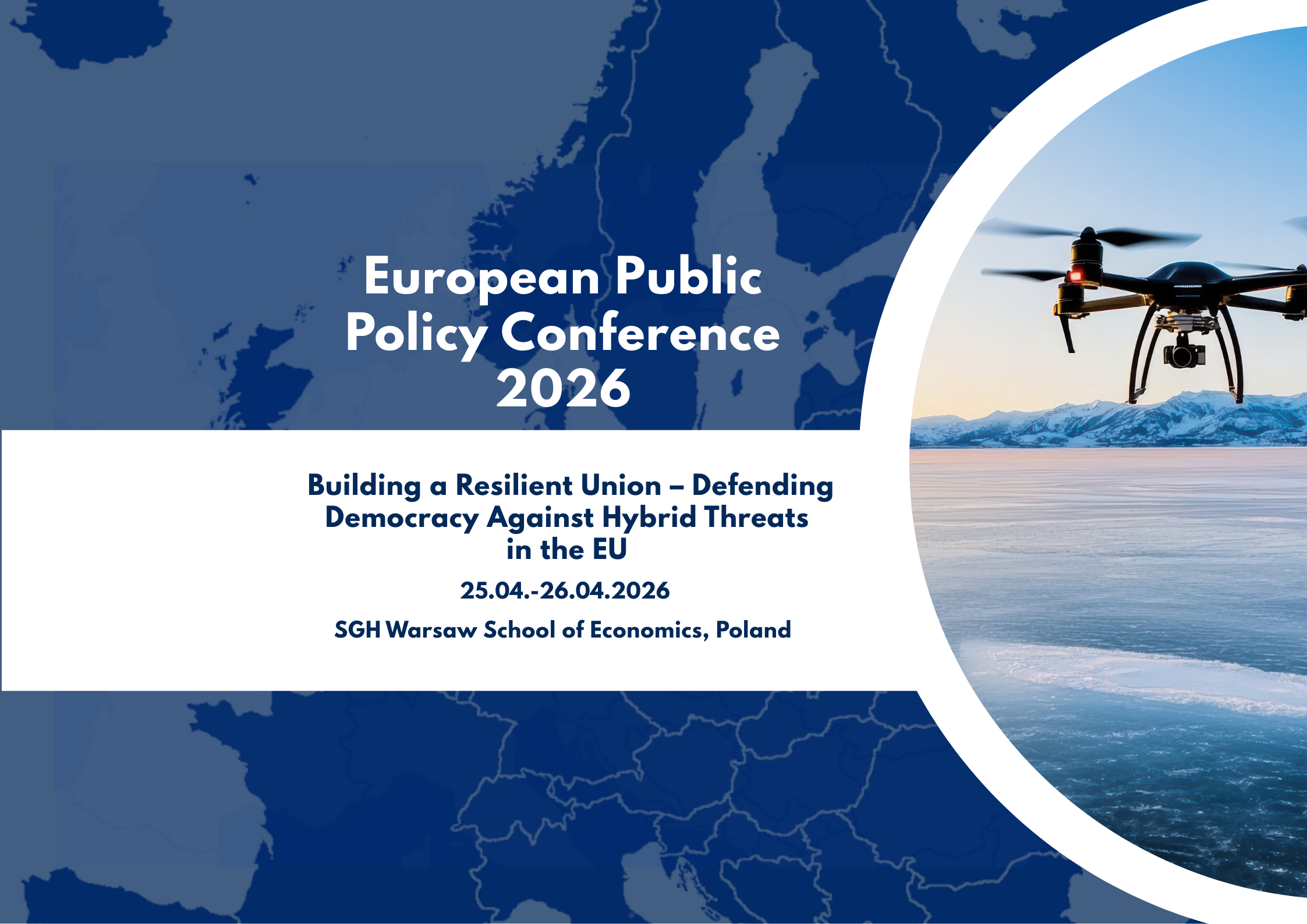
The European Public Policy Conference (EPPC) is a yearly initiative which draws political leaders, international experts and students together, to discuss pressing challenges facing Europe. Organized by students at the Hertie School of Governance, the EPPC is funded by the IPLI Foundation, to provide a platform for policy dialogue and actionable solutions.
The European Union stands at a pivotal point. Confronted with the challenge of asserting itself as a major global player in an ever-evolving threat landscape, the resilience of its democratic systems faces mounting pressure. Since Russia’s full-scale war in Ukraine, Russia has intensified hybrid-attacks on European nations. Ranging from election interference, misinformation campaigns and cyberattacks on critical infrastructure, foreign interference seeks to undermine the stability of Member States and weaken the EU. The 2026 EPPC is a platform for dialogue and collaboration to strengthen the EU’s collective resilience for a more united and secure future.
Saturday, 25th April 2026
9:00 – 9:30 Welcome Coffee and Registration
9.30-10.00: Opening remarks
10.00-10.30: Keynote Address
10.30-12.00: Across the EU: Strengthening Democratic Resilience from Within
Aims to explore ways to strengthen democratic resilience and civic engagement
Focuses on formal and societal institutions to maintain openness
Discusses how digital and media literacy can become an asset in public debate
12.00-13.00 Lunch Break
13.00 – 14.30 In the Digital Landscape: Improving Europe’s Digital Integrity Framework
Considers tactics used to destabilize democratic societies in the digital landscape
Highlights existing EU frameworks and responses to foreign interference
Assesses effectiveness in safeguarding information in the digital space
Explores tools and mechanisms that influence broader geostrategy
14.30-15.00 Coffee break
15.00-18.00: Simulation + Roundtables
Simulation Workshop: Strengthening Europe’s Democratic Shield through Societal Resilience
This interactive simulation invites participants to explore the challenges posed by hybrid attacks and disinformation in the context of democratic elections.
Based on a fictionalized case study, participants will work in small groups to analyze a complex scenario by identifying key risks and threats from the case.
Participants will develop policy responses and strategic recommendations to address these challenges.
Roundtable: Improving Europe’s Digital Integrity Framework Beyond the DSA
Through a roundtable discussion, participants will explore what is beyond the DSA and discuss other corporate and multistakeholder mechanisms.
Discussion will cover the central idea of an EU-wide framework for systemic information integrity.
Participants will explore the influence of these mechanisms on the broader geostrategic landscape.
Sunday, 26th April 2026
9.00-9.30: Welcome Coffee and registration
9.30-11.00: At the frontier: Responding to Hybrid Threats
Panel proposes how the EU and its member states can strengthen their adaptive capacities
Public institutions, private actors, and citizens can
Examines the role of public and private actors in effective response, coordination, and innovation
Aims to combine strategic insight with practical learning to facilitate integrated resilience
11.00-12.30: Workshop on Learning to Navigate Cyber Threats
This workshop examines current coordination challenges with hybrid threats and considers needed capabilities, coordination, and adaption.
It also includes test response mechanisms and identifying concrete policy measures to enhance preparedness.
12.30 - 13.30: Lunch
13.30 - 14.30: Policy Solution Proposals Presentations
14.30 - 15.00: Closing Remarks
Across the EU: Strengthening Democratic Resilience from Within
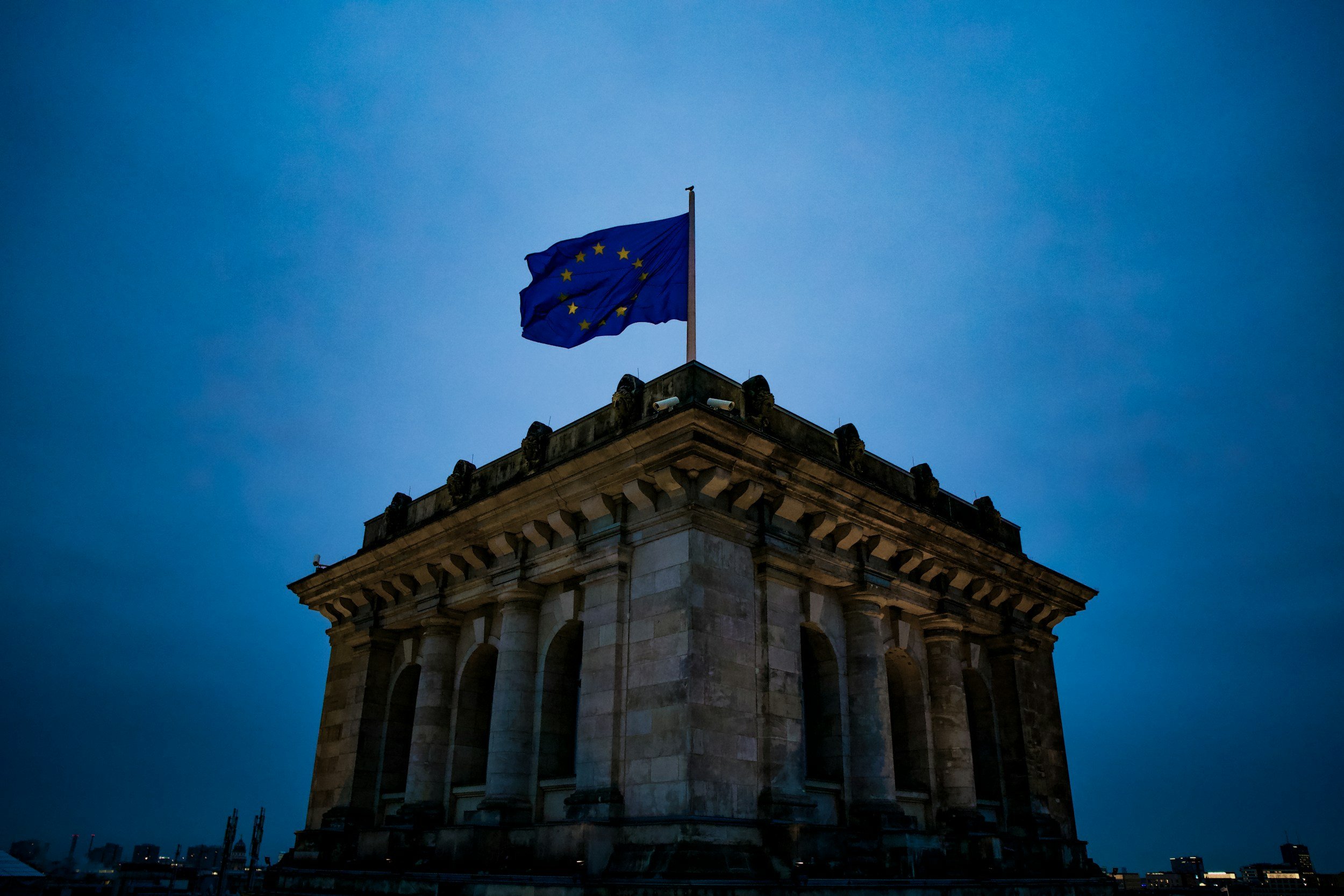
Before President Ursula von der Leyen declared that European democracy was under attack, member states had been navigating the hybrid threat landscape for some time. Foreign information manipulation and interference, cyberattacks, and undeclared funding schemes risk undercutting democratic health across the region, and caused Romania’s Constitutional Court to annul last year’s election. In response, the European Democracy Shield initiative was launched to protect and strengthen Democracy’s key pillars.
Building on the initiative, this session will explore ways to strengthen democratic resilience through a comprehensive whole-of-society approach. It will address both electoral integrity and societal resilience by considering freedom of the press and a vibrant civil society.

In the Information Space: Improving Europe’s Digital Integrity Framework
Over the last decade, information space has become a battleground for political and geostrategic influence. The European Union is no exception. Increasing attacks on democratic integrity, originating both within the region and beyond, demand actionable policies for deterrence and protection.
Tactics such as the manipulation of public debate; the weaponization of social identities; and the spread of misinformation are readily being used to destabilize democratic societies. This session will highlight existing EU frameworks and highlight exemplary responses to such interference, assessing their effectiveness in safeguarding theinformation landscape.

At the frontier: Responding to Hybrid Threats
Hybrid threats are testing the European Union’s ability to safeguard both its security and its democratic resilience. From drone incursions and cyberattacks to disinformation and cognitive warfare, new technologies are transforming the nature of conflict and exposing vulnerabilities across institutions and societies.
This session examines how the EU and its member states can strengthen their adaptive capacities—how public institutions, private actors, and citizens can coordinate, innovate, and respond effectively under hybrid pressure. Drawing inspiration from Ukraine’s rapid adaptation under fire and the Nordic “total defence” concepts of integrated resilience, the discussion will combine strategic insight with practical learning.